- Analisis
- Berita Dagangan
- Analisis Harga Kacang Soya - Trend dan Pemacu
Analisis Harga Kacang Soya - Trend dan Pemacu
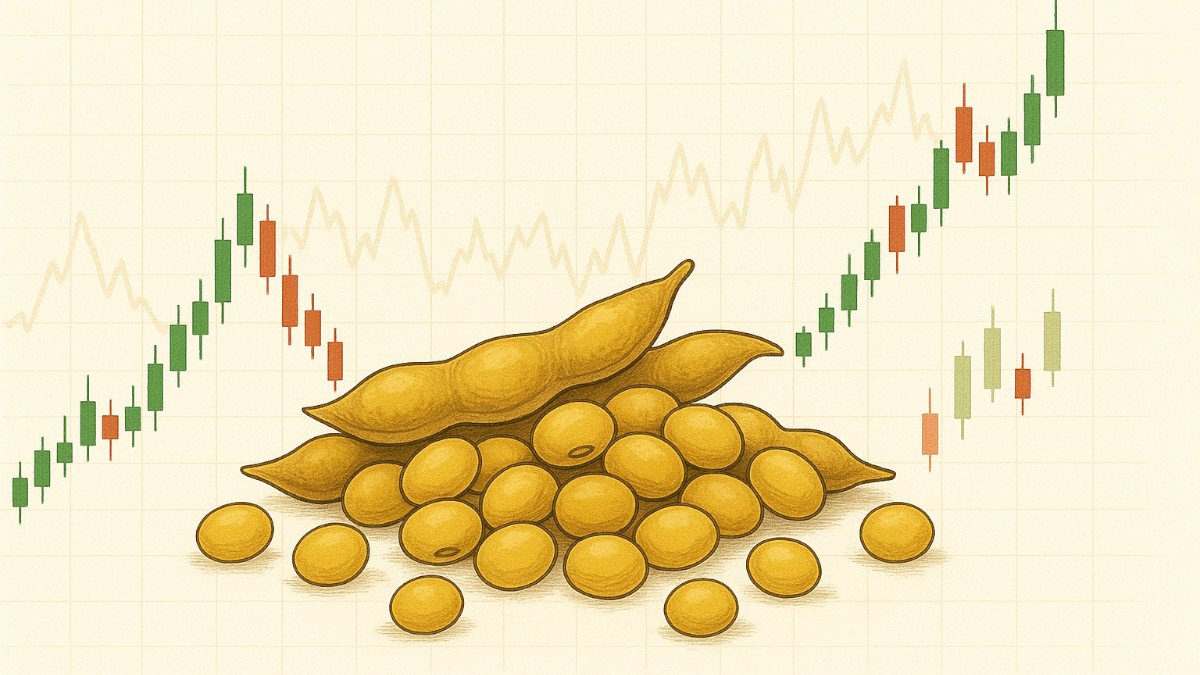
Kacang soya telah mengalami turun naik harga yang ketara sejak beberapa dekad yang lalu. Dari tahun 1970-an hingga awal tahun 2000-an, harga kacang soya secara purata sekitar $5.98 setiap gantang. Walau bagaimanapun, sejak tahun 2006, harga telah meningkat kepada purata kira-kira $11.00 setiap gantang, dipengaruhi oleh peningkatan permintaan biobahan api dan pertumbuhan eksport.
Pada tahun 2025, harga kacang soya telah menunjukkan turun naik; pada 17 Oktober 2025, niaga hadapan kacang soya meningkat kepada $10.1950 setiap bushel, menandakan sedikit peningkatan daripada hari-hari sebelumnya. Walau bagaimanapun, USDA mengunjurkan harga purata musim 2025/26 pada $10.00 setiap bushel, turun daripada paras tertinggi $14.20 pada tahun 2022.
Pemacu Utama Harga Kacang Soya
1. Penawaran dan Permintaan Global
Peningkatan pengeluaran di negara pengeksport utama seperti A.S., Brazil dan Argentina telah menyumbang kepada bekalan global yang lebih tinggi, sekali gus memberi tekanan ke atas harga. Sebaliknya, permintaan yang kukuh daripada negara seperti China boleh meningkatkan harga, seperti yang dilihat pada masa lalu.
2. Hubungan dan Dasar Perdagangan
Ketegangan perdagangan antara A.S. dan China telah memberi kesan yang ketara kepada harga kacang soya. Pengenaan tarif 34% oleh China ke atas kacang soya A.S. pada tahun 2025 telah menyebabkan penurunan harga yang mendadak, apabila China beralih kepada pembekal alternatif seperti Brazil dan Argentina.
3. Permintaan Biobahan Api
Pengembangan pengeluaran biobahan api telah meningkatkan permintaan untuk minyak kacang soya, bahan mentah utama. Pada tahun 2025, USDA mengunjurkan rekod penggunaan minyak kacang soya sebanyak 15.5 bilion paun dalam biobahan api, menyumbang kepada tahap pemprosesan domestik yang lebih tinggi dan mempengaruhi dinamik harga.
4. Peristiwa Iklim dan Cuaca
Keadaan cuaca buruk, seperti kemarau atau banjir, boleh mengganggu pengeluaran dan rantaian bekalan, lalu menyebabkan turun naik harga. Selain itu, perubahan iklim menimbulkan risiko jangka panjang kepada hasil kacang soya, yang berpotensi menjejaskan trend harga masa hadapan.
Ringkasannya
Harga kacang soya dijangka kekal dipengaruhi oleh interaksi penawaran dan permintaan, dasar perdagangan, permintaan biobahan api dan faktor iklim. Penganalisis mencadangkan bahawa walaupun turun naik jangka pendek mungkin berlaku, trend jangka panjang mungkin stabil apabila pasaran menyesuaikan diri dengan pembolehubah ini. Unjuran USDA tentang sedikit penurunan harga kacang soya untuk musim 2025/26 menunjukkan potensi pulangan ke tahap harga yang lebih normal.
Alat berkuasa baharu, Kacang Soya Teknikal
Alat berkuasa baharu, Kacang Soya Teknikal
Analisis Teknikal Langsung dengan ramalan segera menggunakan penunjuk dan pengayun yang paling popular.
Cuba sekarang

Jika anda tidak menemui cara untuk menjana wang semasa tidur, anda akan bekerja sehingga anda mati.- Warren Buffett